Sundays with Sam #18: Community Notes
On YPO, Napoleon Hill, tribes, and the enduring power of community.

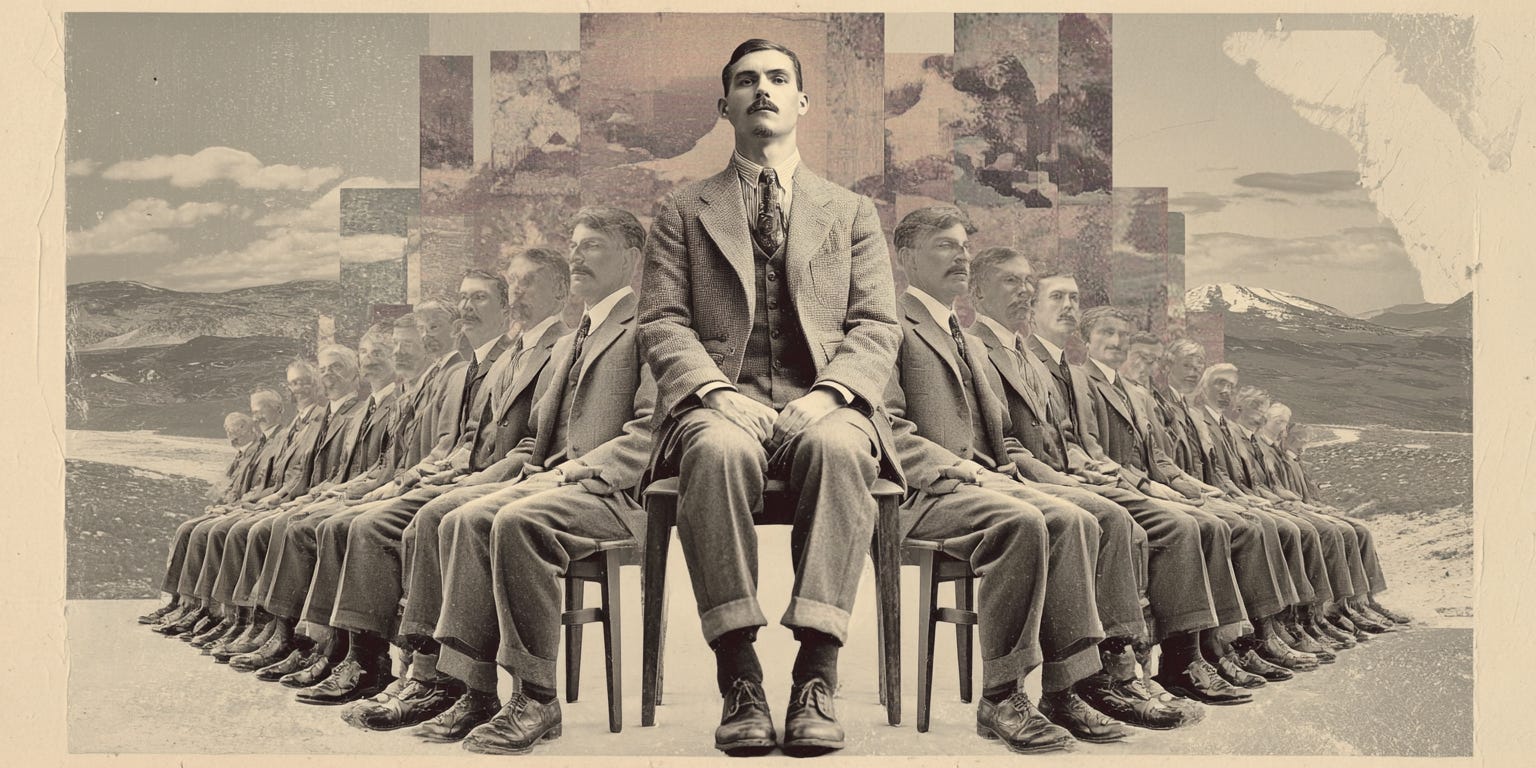
The Young President
In 1950, Ray Hickok found himself in a situation every ambitious person thinks they want until they get: he was young, powerful, and alone. Hickok was 27 years old when he inherited his family’s 300-employee manufacturing company in New York. On paper, he had authority. In reality, he had the problem authority creates. There were very few people he could talk to honestly. In response, he began to pull together peers, other “young presidents”, to meet regularly. They talked about their challenges, their obstacles, their lives.
The first meeting was reportedly held at the Waldorf Astoria in New York. The original insight was simple and enduring: the only person who can really understand the burden of what you’re facing is someone facing that challenge. Someone with direct related experience. That you trust. Whose context you can understand and qualify.
Today, the Young Presidents Organization, or YPO as everyone calls it, is the largest, most enduring professional networking organization in the world. They have over 36,000 Members in over 450 Chapters all over the globe.
76 years later, the structures and technologies that YPO codified have spread to virtually every other professional networking community. Incredible experiences. A sense of purpose and pride. And, most importantly, that same atomic unit from the 50s, a small group of peers meeting regularly to discuss their challenges and find kinship among common ground.
In the Rooms
Serious people have always searched for rooms. Before platforms, feeds, and newsletters, they built salons, clubs, and guilds. Before webinars, online courses, and Discord servers, they built lodges, boards, and councils. Tribes. The names changed. The underlying principles did not.
A real room does several things at once. It gives people information, of course. But more than information, it forms a social contract. It creates recognition. And standards. A room is a controlled environment where trust can compound and status can become legible.
Today, “community” is a badly abused word. A newsletter with comments is a community. A Slack group with 4,000 people and 11 people posting is a community. A webinar with a chat box and a guy named Todd asking “will slides be shared?” is a community.
The real thing is much older and more powerful.
A real community is a trust network, a status system, and a meaning-making machine.
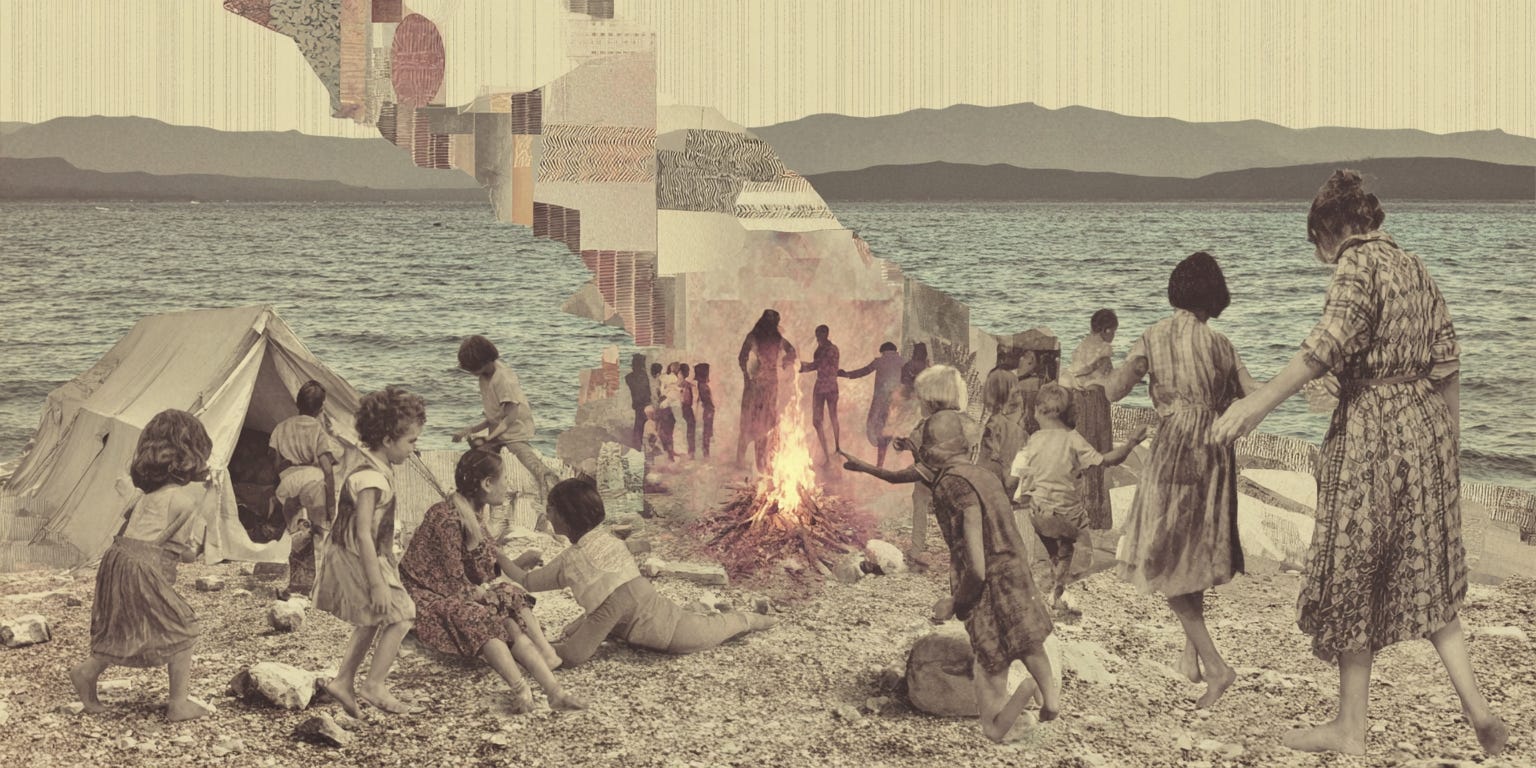
A Tribe Called Quest
Before humans had data centers, rockets, and betting platforms, we had groups. Early human societies were organized around small, repeated, reputation-rich social units. Britannica describes a band as a small, fluid, largely egalitarian form of organization, often no more than 30 to 50 people, cooperating around subsistence, security, ritual, and care.
The tribe was survival infrastructure. Groups helped humans solve complicated multi-player problems: food sharing, collective defense, childcare, mate selection, knowledge transfer. For most of human history, identity was local, embodied, and reciprocal. You were someone’s child. You were someone’s sibling. Their hunting partner. Their rival.
Your reputation lived in other people’s heads. People knew your strengths. They knew your betrayals. They knew whether you showed up when the food was scarce or mysteriously discovered a “prior commitment” every time someone needed help moving a dead antelope.
Infinity Wars
Modern life has convinced us that scale equals value. More followers. More impressions. More people in the database. More LinkedIn connections. More.
But humans are not built for infinite meaningful connection. Robin Dunbar’s famous work on the “social brain” suggested human beings have a cognitive limit on the number of stable relationships they can maintain: around 150. Dunbar argued that primate cognition evolved, in part, to manage increasingly complex social worlds, with small trust-laden inner circles and broader outer circles of weaker ties. Past 150, the bonds materially weakened.
The internet gave us reach. It gave us distribution. It gave us the ability to maintain the illusion that we “know” 7,000 people. It did not give us belonging.
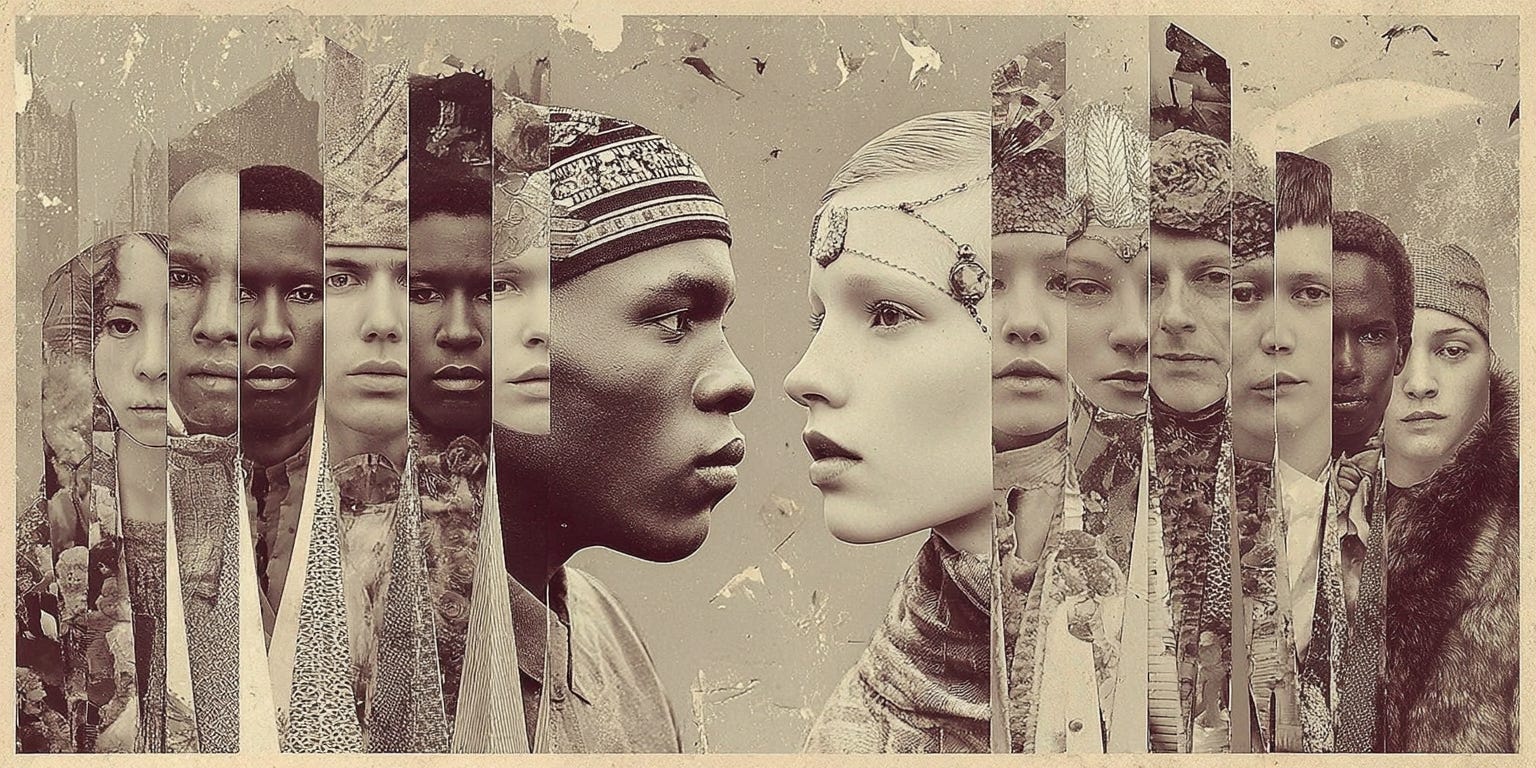
Why We Need a “We”
Humans join groups because groups help us survive, but also because groups help us understand ourselves. Social identity theory, developed by Henri Tajfel and John Turner, argues that people derive part of their self-concept from membership in social groups. We do not simply decide who we are in private and then wander into society fully formed, like a confident toddler in a blazer.
We learn who we are through the people with whom we belong.
The strongest communities create identity through standards. They answer questions people rarely say out loud: Who are my people? What does excellence look like? What behavior is beneath us? What kind of person am I?
When no standard exists, no one is changed by belonging. Identity is the first layer. Judgment is the second. Once a group has trust, standards, and shared context, it becomes more than a place to belong. It becomes a way to make better decisions.
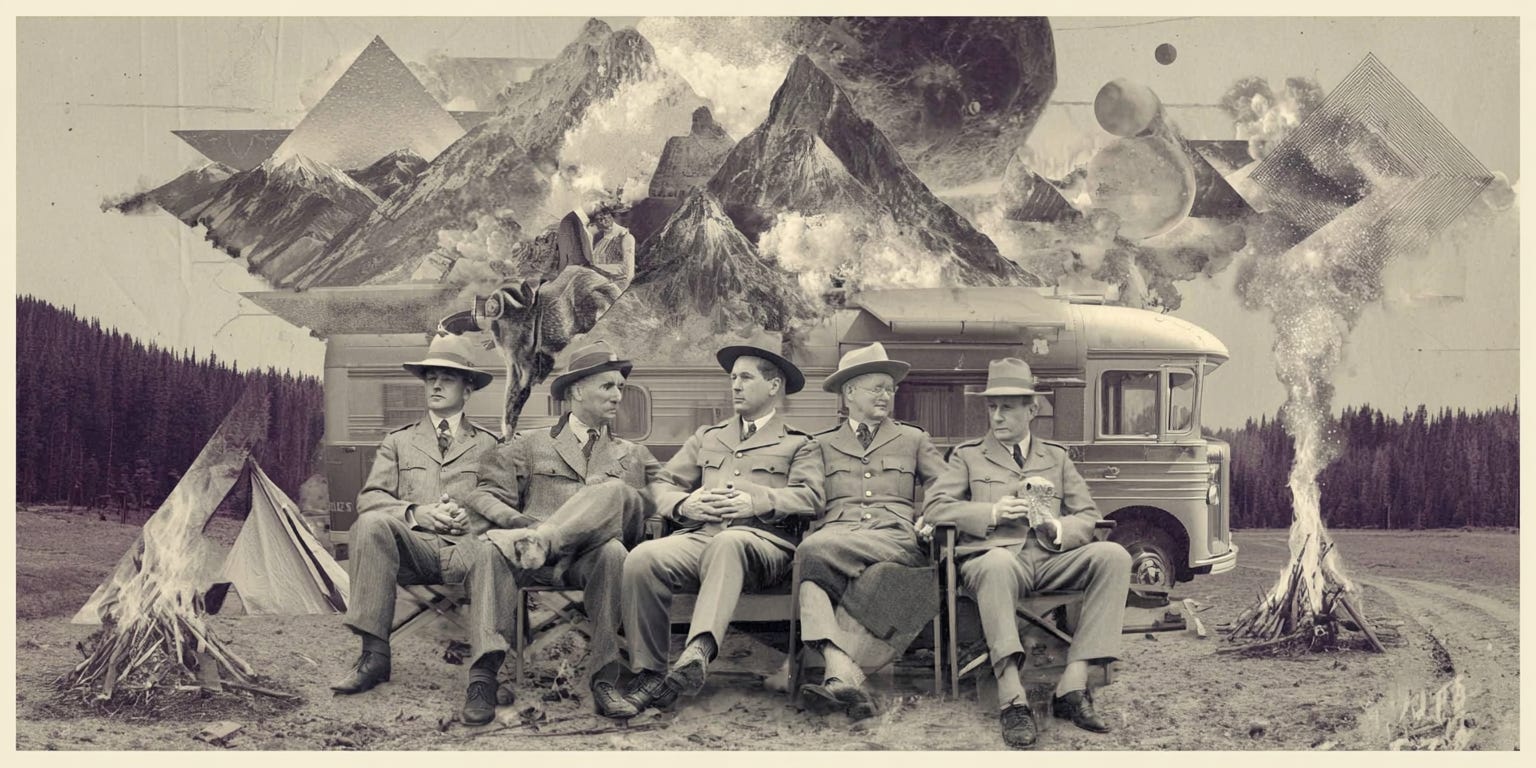
Vagabonds
Years ago, Napoleon Hill popularized the concept of a “mastermind”, describing it as the coordination of knowledge and effort between people working toward a definite purpose. The phrase now carries a faint whiff of hotel conference ballroo and someone promising to 10x your morning routine, but the underlying idea is sound: serious people have always built small trusted circles to sharpen their thinking.
One of the more colorful examples is The Vagabonds: Henry Ford, Thomas Edison, Harvey Firestone, and the naturalist John Burroughs. Beginning around 1914, they took recurring summer camping trips together. Calling these “camping trips” slightly undersells the production. There were caravans, staff, cooks, photographers, and portable equipment. Industrialist glamping, basically, before anyone had the decency to invent the word. But beneath the spectacle was something real: the most consequential men in American industry and science spending unstructured time together, talking about technology, business, nature, roads, production, invention, and the future.
That is what the best peer groups still do. They improve the quality of your decisions. They expose your private assumptions to people who have earned the right to challenge them. They let someone say, “I tried that, and here is what actually happened.”
AI can generate options. A trusted group can challenge the premise. The machine can help you think faster but the right room can help you think better.
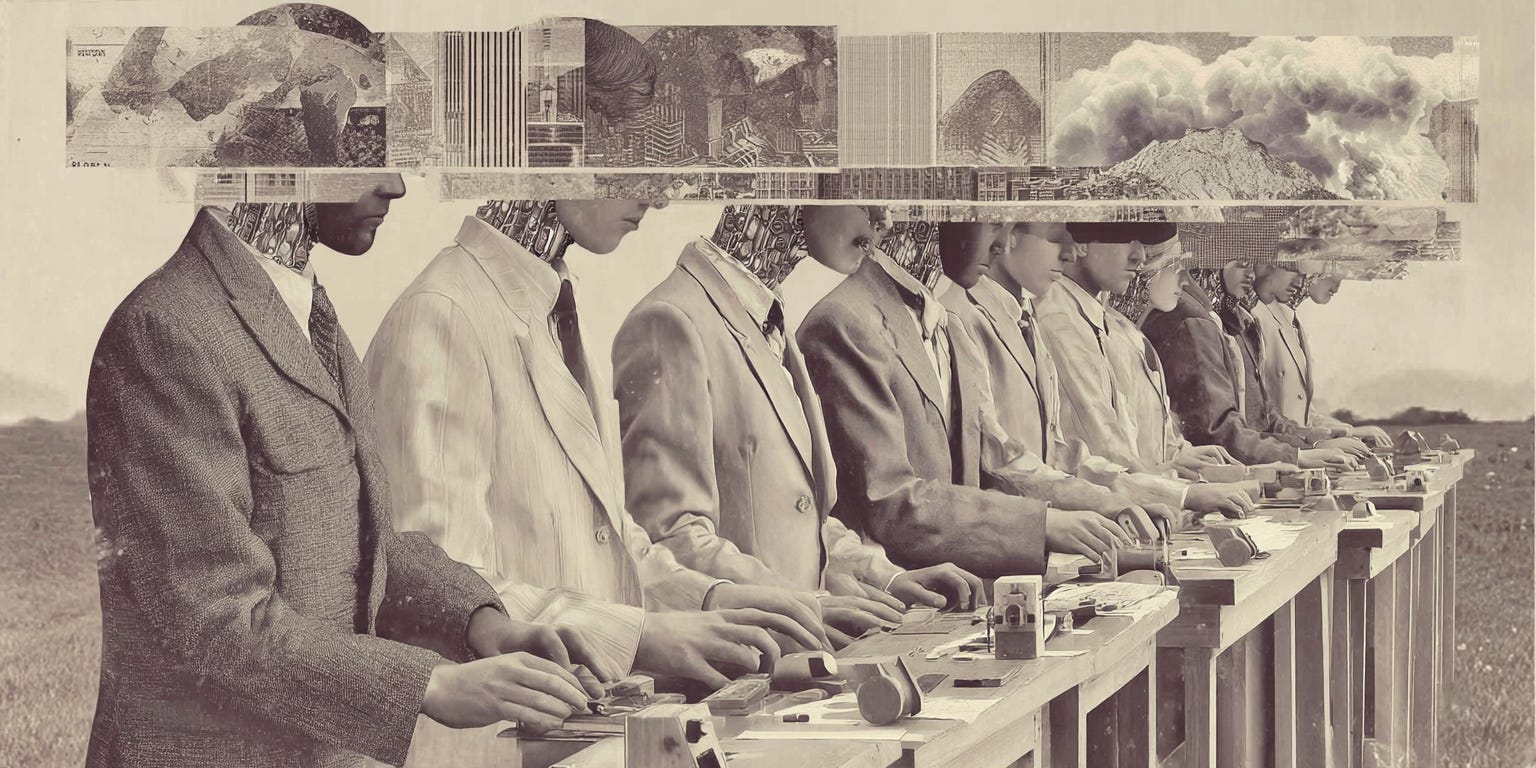
Noises and Signals
AI makes information abundant and trust scarce. It produces more plausible answers and more people who sound like bleached disinfected McKinsey partners. Sterile, confident, and creepy. The world has become more efficient and less trustworthy at the same time.
That creates a new premium on trusted human interpretation. In the age of AI, the best question is now: what do serious people who understand my world believe is actually true? What is the real highest priority? In a world of infinite possibilities, a trusted community helps you decide which deserve effort, commitment, and reputation.
Exile on Main Feed
AI will make trusted, high-status, high-context human networks more valuable than ever.
The most valuable communities will become recognition systems for serious people. They will confer status because membership will mean something. They will create trust because the people inside will be vetted, known, and accountable. They will create meaning because they will give ambition a shared language. They will create standards because the best people want to be around other people who make them sharper, more honest, more useful, and harder to bullshit.
The winners will be distinct. They will have a point of view. They will know who belongs and who does not. They will resist the temptation to become giant, diluted warehouses of loosely affiliated humans with profile photos and muted notifications. The communities that matter will have gravity. People will want in because the room says something about them. They will stay because the room does something for them that the machine cannot.
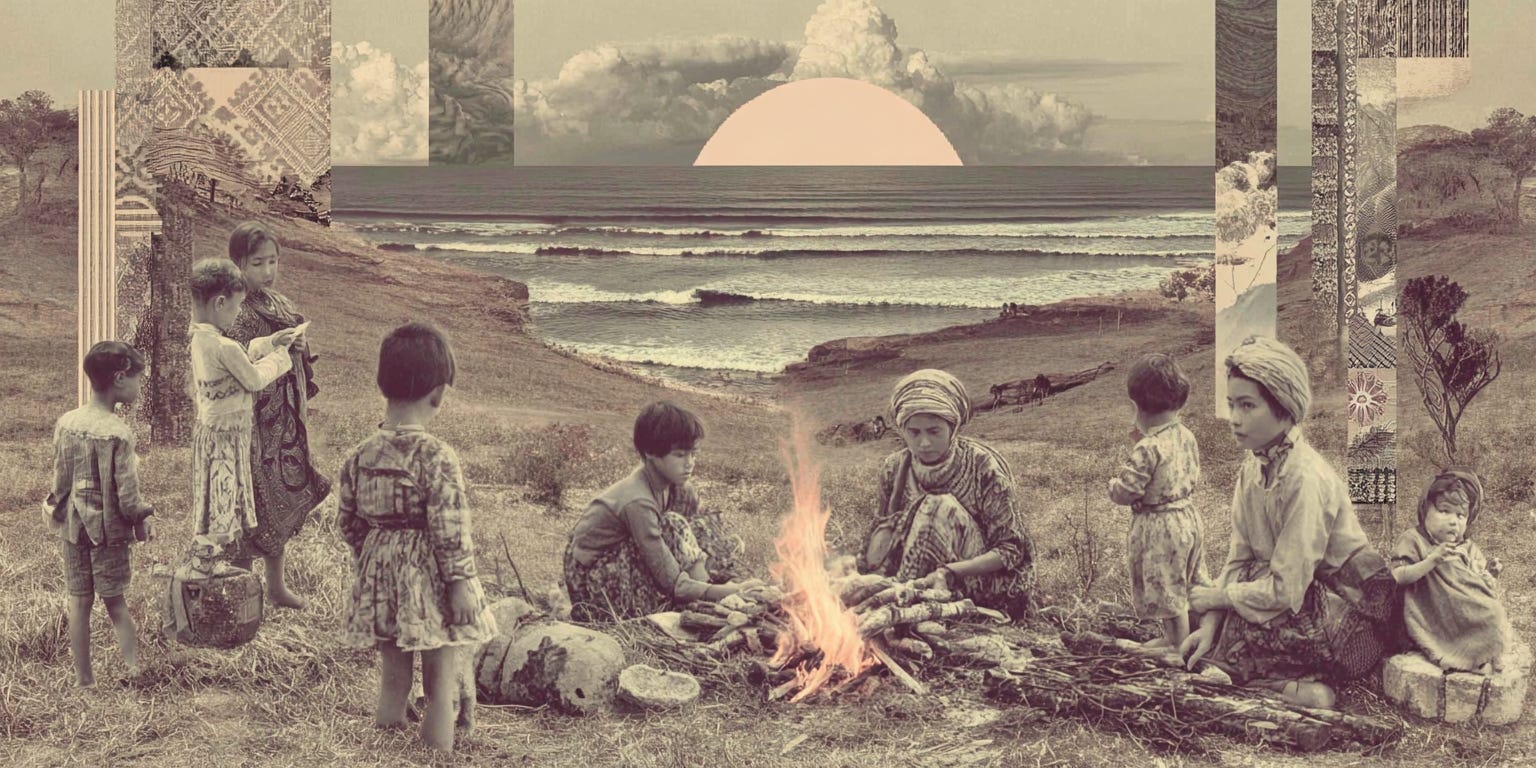
Community Notes
AI can answer almost anything.
It can write the memo.
Build the model.
Summarize the market.
Explain quantum computing as if you are a reasonably bright golden retriever.
But it cannot recognize you.
It cannot confer status.
It cannot create shared history.
It cannot look across the table and say:
I know what seat you’re in.
I know what this costs.
I know what you’re avoiding.
I know what good looks like.
And I know you’re capable of more.
That is community.
Context.
Recognition.
Trust.
Meaning.
Community is the room where membership still means something.
The machine can tell us what is possible.
The tribe tells us who we are.
Next Week
Re:Brand: The word “brand” originally meant a burn mark, a way of proving ownership and origin. In the age of AI, when every company can generate decent copy, polished websites, and plausible-sounding thought leadership, trust is the only thing that actually differentiates. I’m thinking about why brand is so hard to measure, why that makes companies underinvest in it, and why the next great moat may not be product velocity, but belief.
Also On My Mind
A few other things on my mind. Let me know what else you might like me to write about.
The number of U.S. public companies has fallen by roughly half since its late-1990s peak, even as the most important companies in the economy keep getting larger, richer, and more consequential. Today, dealflow is not just an investment opportunity, it represents access and status.
Speaking of status, the founding group of Pavilion Gold has started to put it on their LinkedIn profiles and it looks pretty darn good.
Thanks for reading.
Sam
PS “Sundays with Sam” comes out every Sunday. If you liked this, feel free to share it with a friend, or … what. Or what? What are you gonna do about it? I challenge you to do something. I throw down the gauntlet. If you like the pictures, use Midjourney reference code --sref 1069932885 to make your own. Unsubscribe freely for any or no reason.